Erik Wolf · 14 September 2026
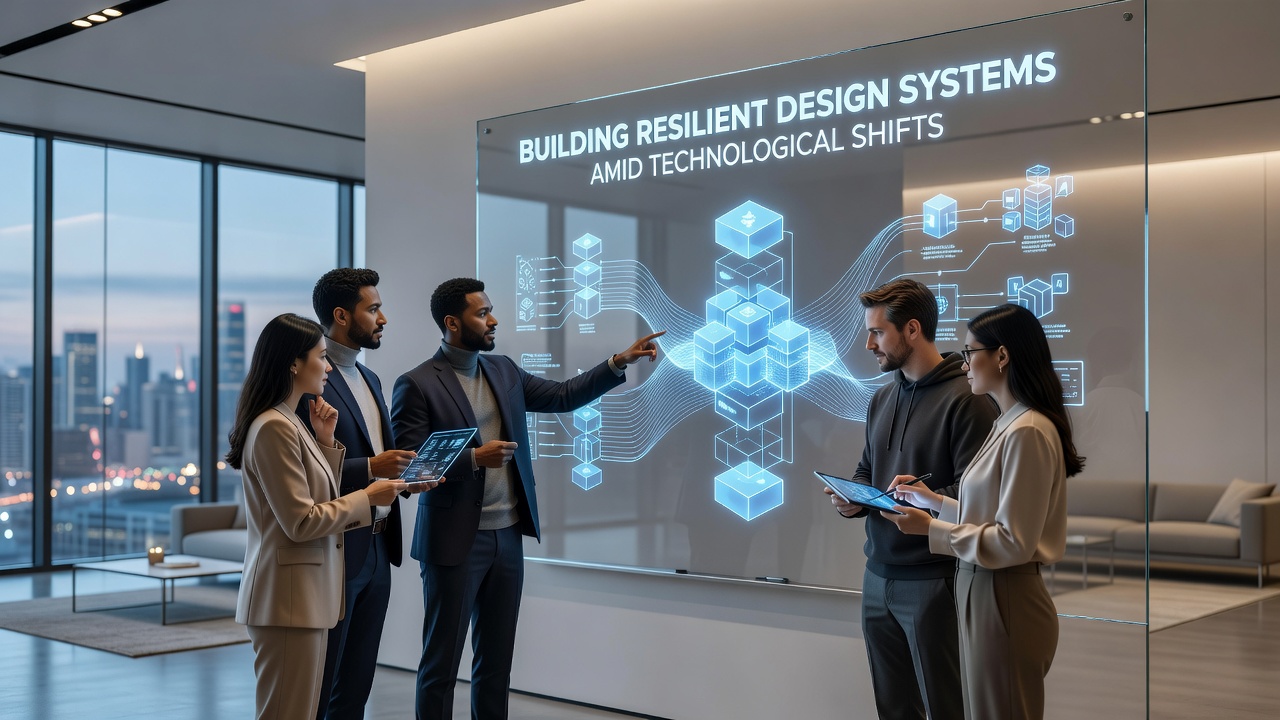
Building Resilient Design Systems Amid Technological Shifts
Design systems serve as centralized collections of reusable components, patterns, and guidelines that organizations rely on to maintain consistent user interfaces across products, and these systems face continuous pressure from rapid technological changes including artificial intelligence integration, evolving web standards, and shifting device capabilities. Research from institutions such as the Massachusetts Institute of Technology indicates that companies maintaining modular design systems experience fewer disruptions during platform updates compared to those relying on rigid, one-off implementations.
Identifying Key Technological Shifts
Technological shifts arrive through multiple channels at once, from browser updates that alter rendering behaviors to the introduction of new frameworks that change how interfaces render on various devices, while artificial intelligence tools now automate parts of component generation and testing. Data from the National Institute of Standards and Technology shows that organizations tracking these developments through regular audits reduce compatibility issues by measurable margins. In September 2026 several standards bodies plan to release coordinated updates on accessibility and component interoperability, creating another wave of adjustments for teams already managing legacy codebases alongside newer AI-assisted workflows.
Observers note that shifts rarely occur in isolation, so a change in one area such as CSS grid enhancements often coincides with updates in JavaScript ecosystems or mobile operating system requirements, forcing design systems to accommodate overlapping constraints simultaneously.
Core Elements That Support Resilience
Resilient design systems rest on several foundational elements including design tokens for color, typography, and spacing values that can update centrally, documented component libraries with clear usage rules, and version control practices that allow incremental changes without breaking existing implementations. Studies conducted by European research consortia reveal that teams separating token layers from visual components maintain consistency more effectively when underlying technologies evolve. These structures allow updates to propagate through products while preserving the overall architecture that users have come to expect.
Documentation plays a central role because it translates technical decisions into accessible guidance for both designers and developers, and organizations that keep this material current find fewer instances of inconsistent application across teams. Active maintenance involves scheduled reviews rather than reactive fixes once problems surface in production environments.
Practical Approaches to Adaptation
Teams build adaptability by adopting modular architectures that isolate components from specific frameworks, implementing automated testing suites that verify behavior across multiple browsers and devices, and establishing governance processes that decide when to incorporate new technologies. Figures from the Australian Digital Transformation Agency indicate that projects following staged rollout procedures encounter fewer regressions during major platform migrations. Token-based theming further supports quick visual adjustments when brand requirements or accessibility standards change without requiring complete component rewrites.
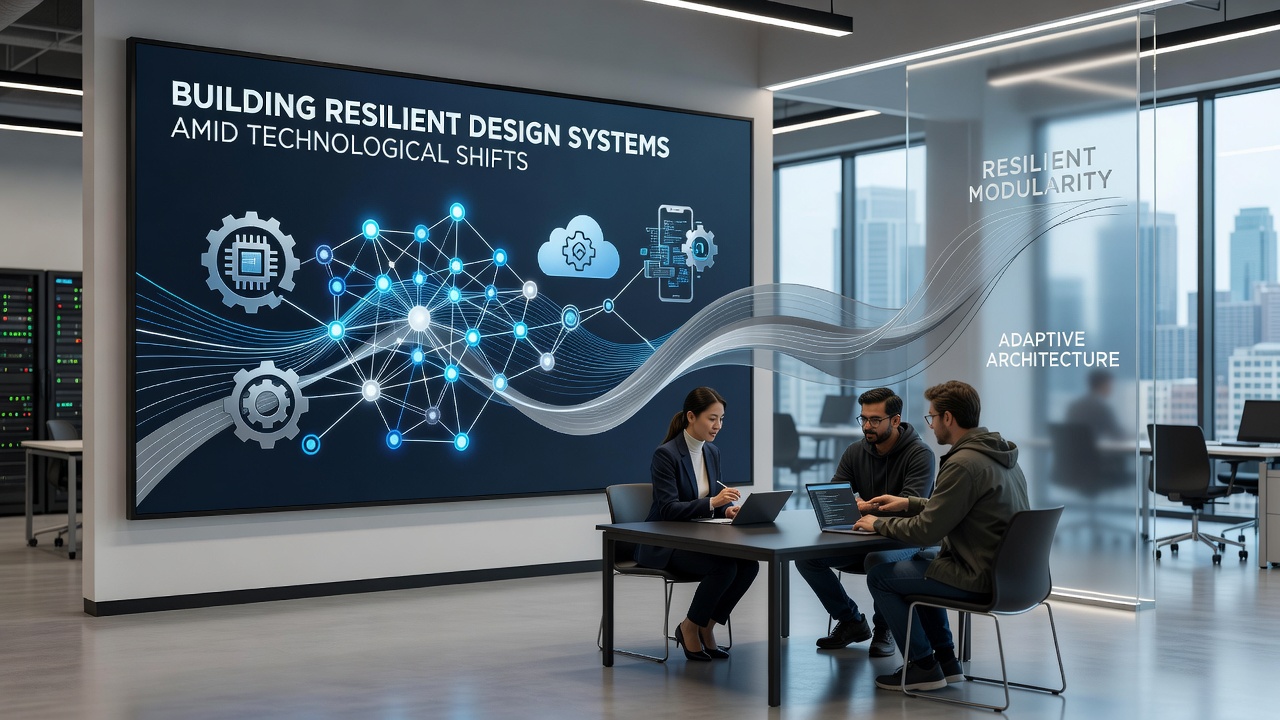
Versioning strategies prove essential because they let teams maintain parallel support for older implementations while introducing updated patterns, and this approach prevents abrupt breaks that affect end users. Regular audits combined with feedback loops from product teams surface issues early, allowing adjustments before they compound into larger technical debt.
Observed Patterns in Organizational Practice
Organizations that treat design systems as living products rather than static assets demonstrate stronger continuity when external technologies advance, according to reports compiled by international standards groups. They allocate dedicated resources for monitoring emerging tools and run pilot projects before full integration, which reduces the risk of committing to approaches that later prove unsustainable. Cross-functional collaboration between design, engineering, and product roles ensures that decisions reflect both user needs and technical realities.
One documented case involved a large enterprise that migrated its component library to a token-driven system ahead of a major browser update cycle, and the preparatory work allowed the transition to occur with minimal visible impact on customer-facing interfaces. Such examples illustrate how proactive structure supports smoother navigation through periods of change.
Conclusion
Building resilient design systems requires ongoing attention to component modularity, documentation quality, and systematic monitoring of technological developments, and organizations that embed these practices position themselves to handle shifts such as the coordinated standards releases expected in September 2026 with greater continuity. The combination of centralized tokens, versioned libraries, and cross-team governance creates a foundation that accommodates new capabilities without sacrificing consistency across products. Data from multiple regions continues to show measurable benefits for teams that prioritize adaptability in their design infrastructure.